Spotlight: When Women Talk Volume 3, Notes from the Future
/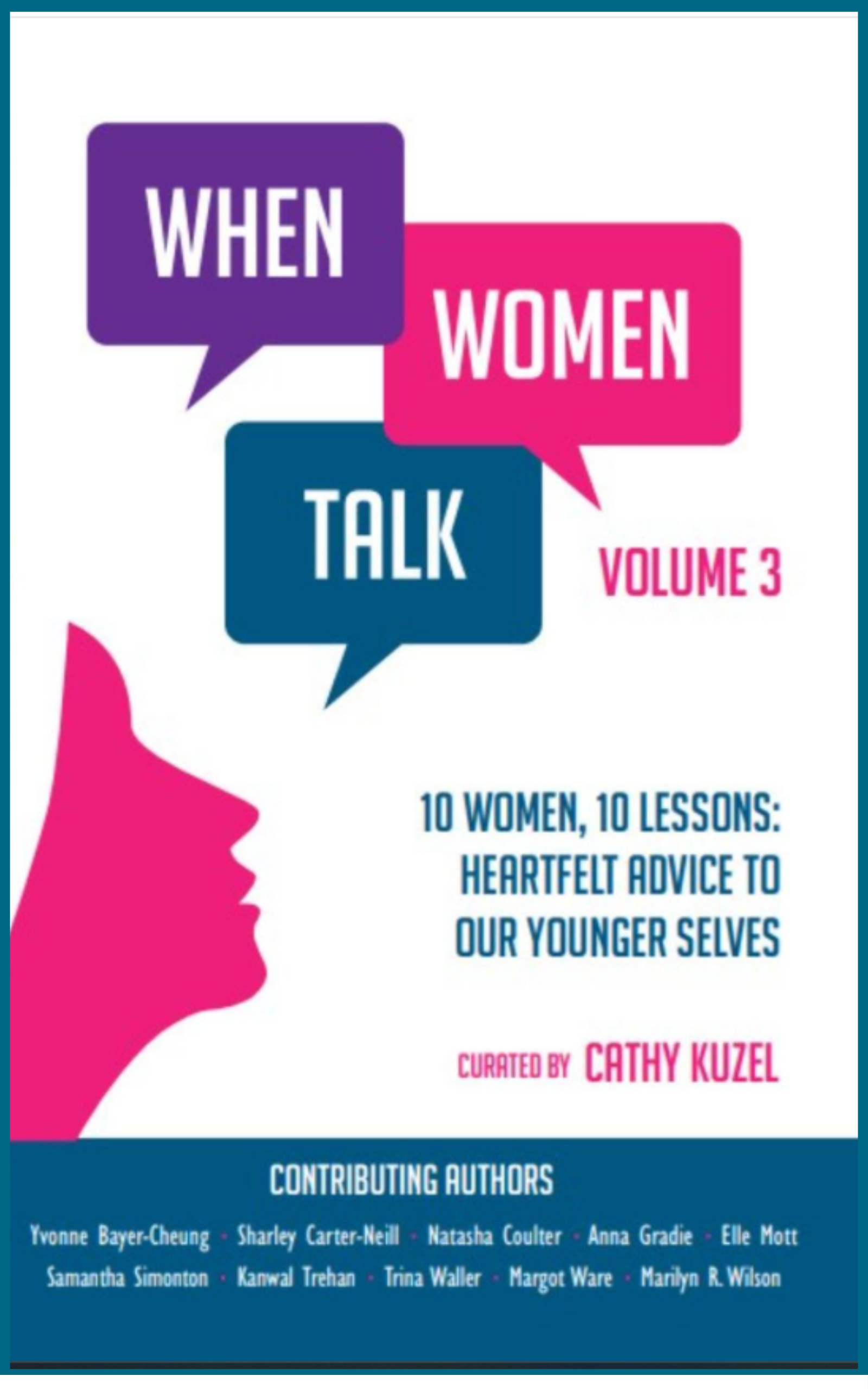
Ever wish you could call your younger self and say, “It’s going to be okay”?
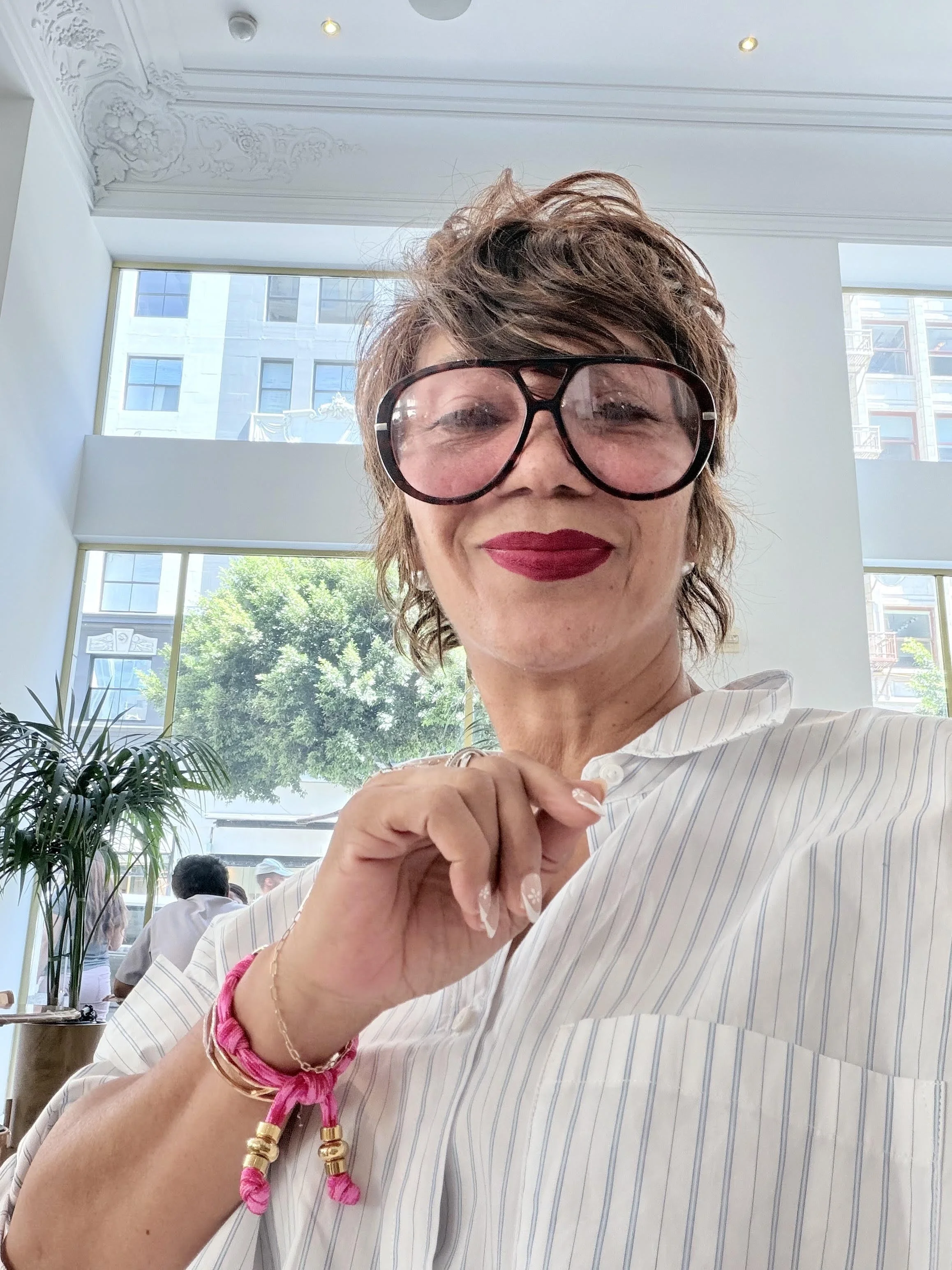
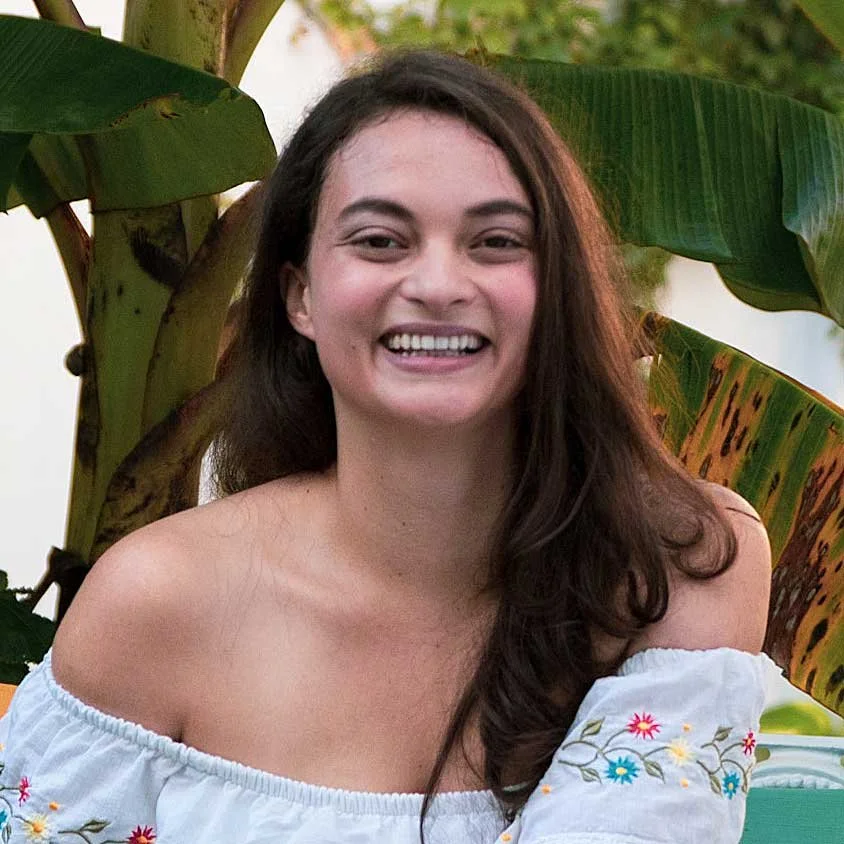
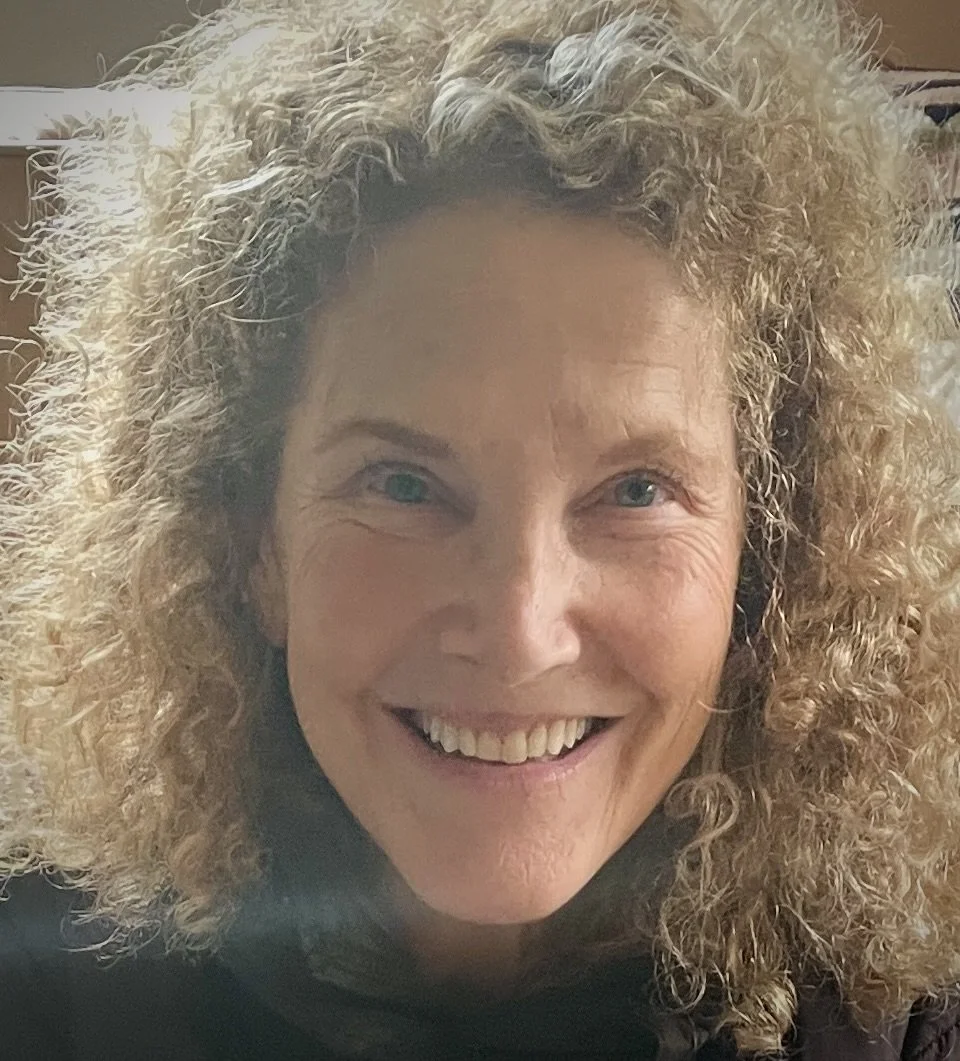
In When Women Talk: Notes From the Future, ten incredibly diverse women look back and do just that.
This isn’t an “I told you so” lecture; this book gathers honest, heartfelt stories from women across generations, reaching back to tell their younger selves what truly matters. From messy breakups to career wins, these stories offer a roadmap for your own journey. It’s not about quick fixes; it’s about the timeless wisdom of resilience, self-worth, and trust. You need to read this because it feels like a long coffee date with your future, much wiser best friend.
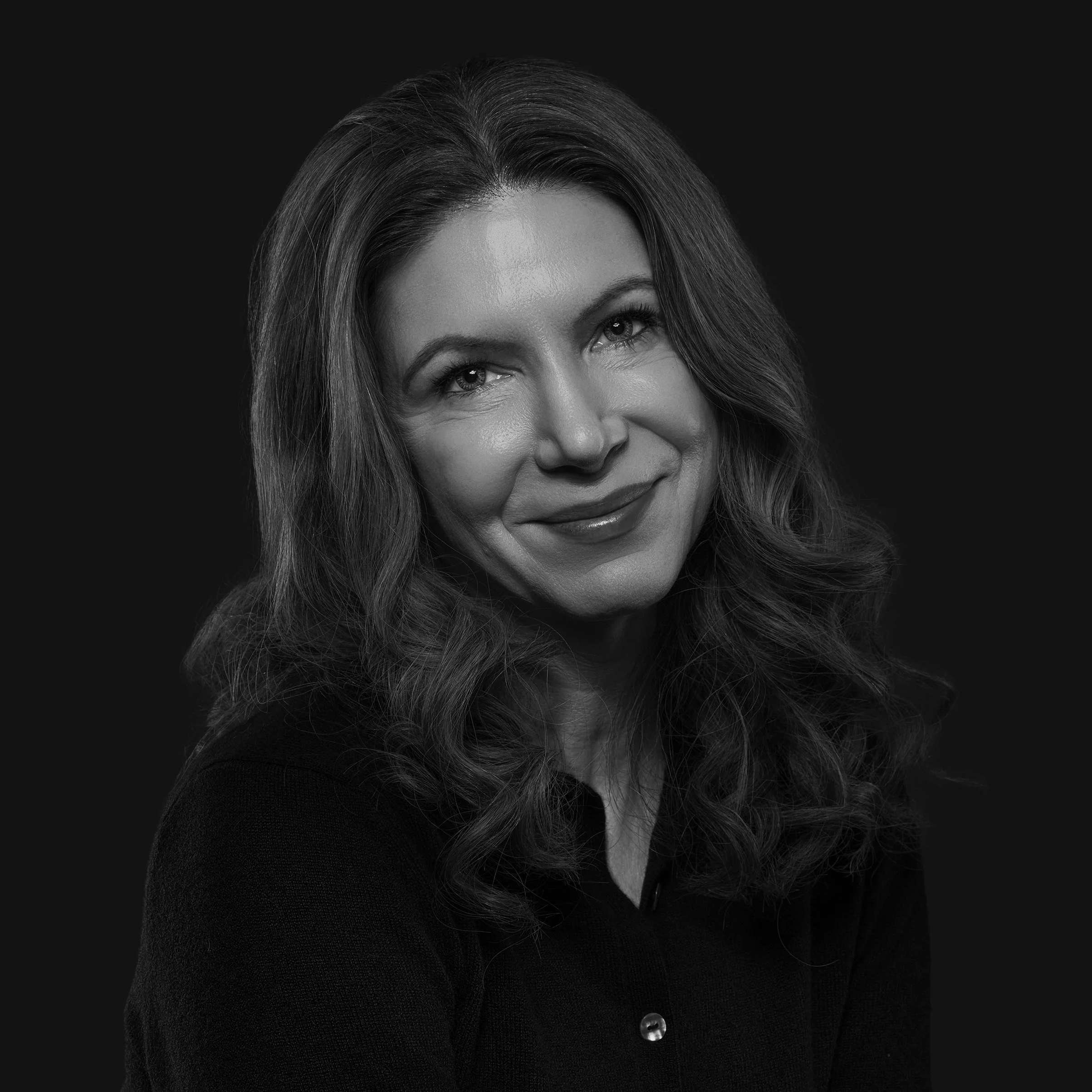
"While a single voice can make an impact, many voices can make change. We all have a purpose and a story to tell; there is someone who needs to hear it, and by showing up we can make a difference in someone’s life, career, or business." — Cathy Kuzel, curator.
"We don’t have to bring ill-emotions from an unsettling childhood event into our adulthood. And yet if we do, there is hope for renewal. After all, it takes what it takes to get us to where we are today in life. Sometimes the journey from nightfall to sunrise is not an overnight matter." — Elle Mott, co-author.
Excerpt
Elle Mott’s Chapter Contribution
“My Journey From Nightfall to Sunrise”
A year earlier, we had fit in with this crowd of kids. This year was different. It was the year we should have stayed home or perhaps done Halloween differently. At twelve years old, we were a bit too old for trick-or-treating. And yet, we pushed ahead as little kids tried to keep up. After hitting the whole neighbourhood, stuffing our bags with candy, we arrived back at my friend’s house. Her mom met us at the front door. Stretching out her arm to point in the direction of my house, she asked, “Can I give you a ride home?” Ice cubes clinked in her glass.
“No, thank you,” I said.
“Are you sure? You really shouldn’t walk home alone.”
“Yes, I’m sure, Claudia. I’ll be fine.” With other friends, I addressed their moms respectfully with a Mrs. This mom was different in a carefree sort of way.
I had two reasons to decline her ride home. One was that she had been drinking cocktails again. When she drank, which was often, she would suddenly fall asleep. I didn’t want that to happen with me in the car. Also, I wanted seconds on candy from the houses between hers and mine.
“Okay, you be safe, and you two will see each other come tomorrow morning.”
In that moment, I paid no real mind to what she said, and as I turned my back, she seemed to wave goodbye. It was a safe neighbourhood where kids could run free, without any worries to be had.
I didn’t see my friend the next morning. What happened next left me too ashamed to pull the covers off my head come the next day. I was allowed to stay home in a sick day from school. Sometimes the journey from nightfall to sunrise is not an overnight matter. But that’s getting ahead of my story.
I had only a short way to go, so I proceeded with my trick-or-treating, skipping houses with lights off. Street lights, too, were far and few between.
My walk took me past a few houses to reach the end of my friend’s block on Dogwood, which put me catty-corner to my street, Camellia Drive. I paused, reasoning that I could get even more candy if I took the long way home. So, I kept going and turned down the next street, Balsam Drive. I would take the alley that cut through the middle of this block to Camellia Drive. No cars drove that alley. It was a dirt path we kids took as a shortcut, and my house sat one over from that alley. I didn’t see any other kids around, and for a quick second I questioned myself as I wondered whether going the long way was the right choice.
Buy on Amazon
About the Co Author
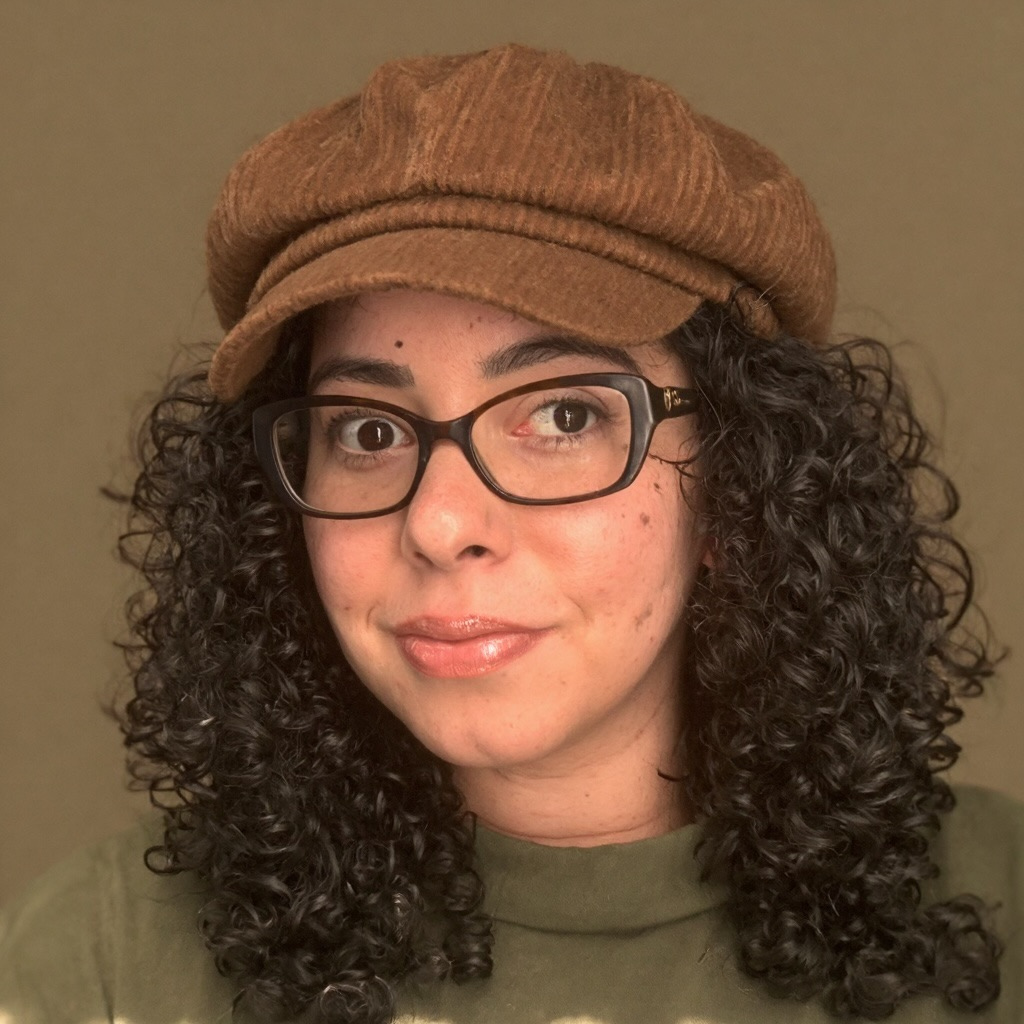
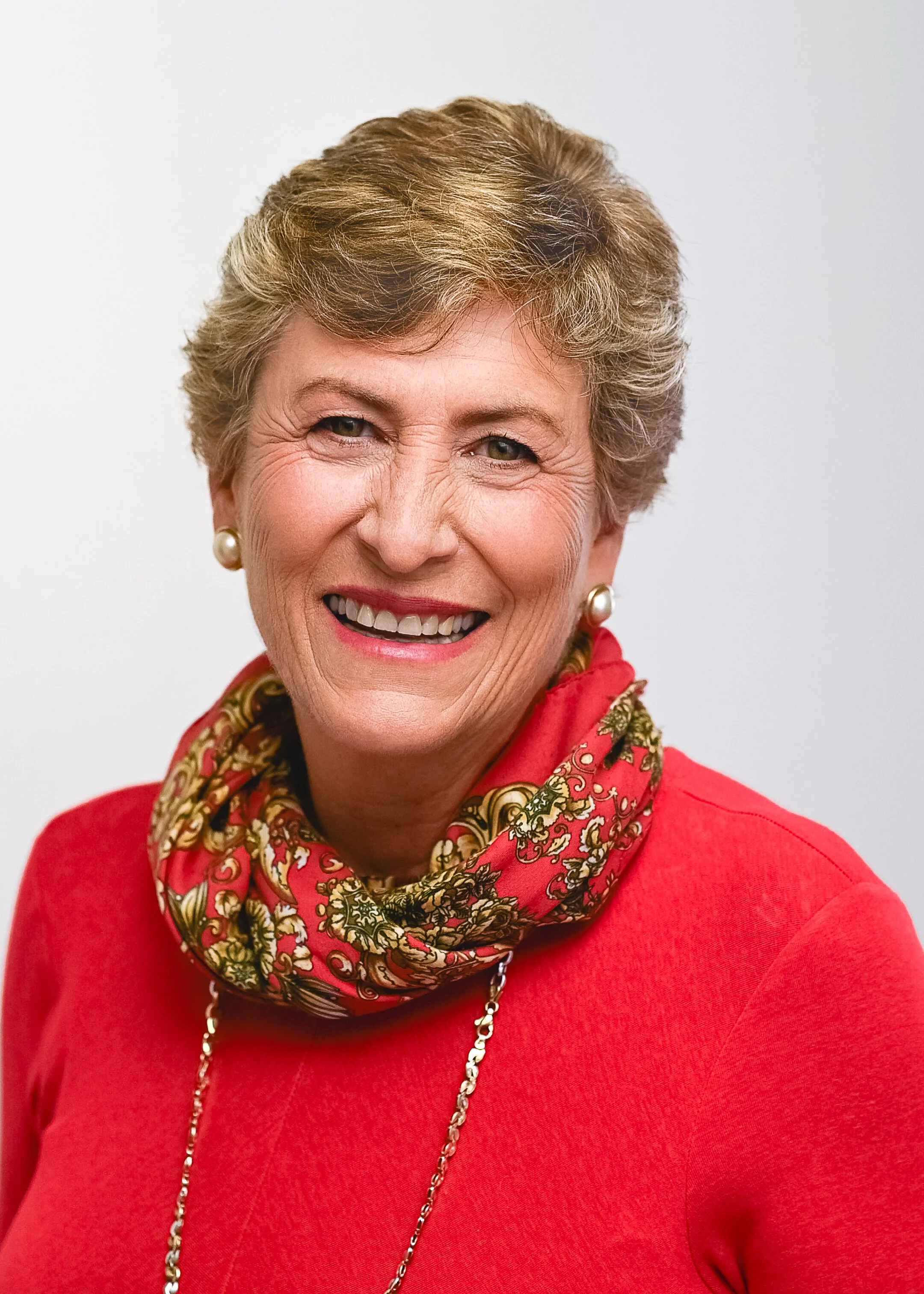
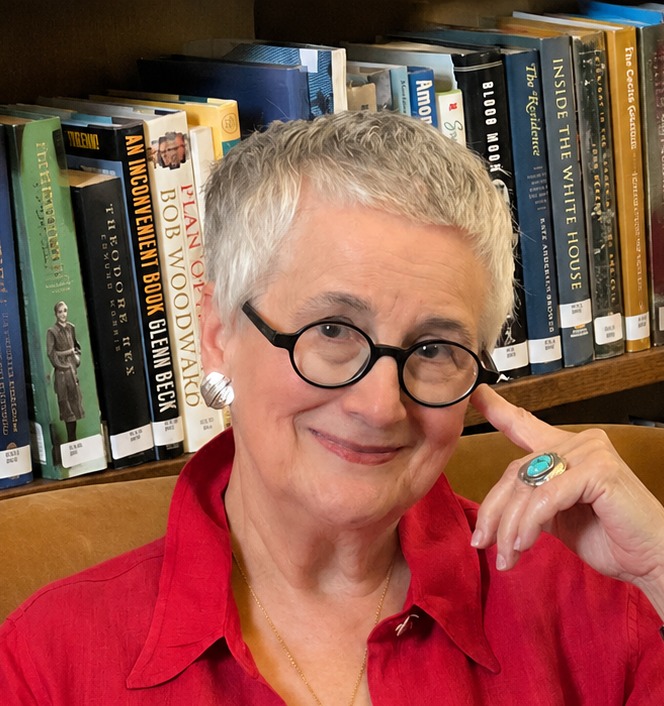
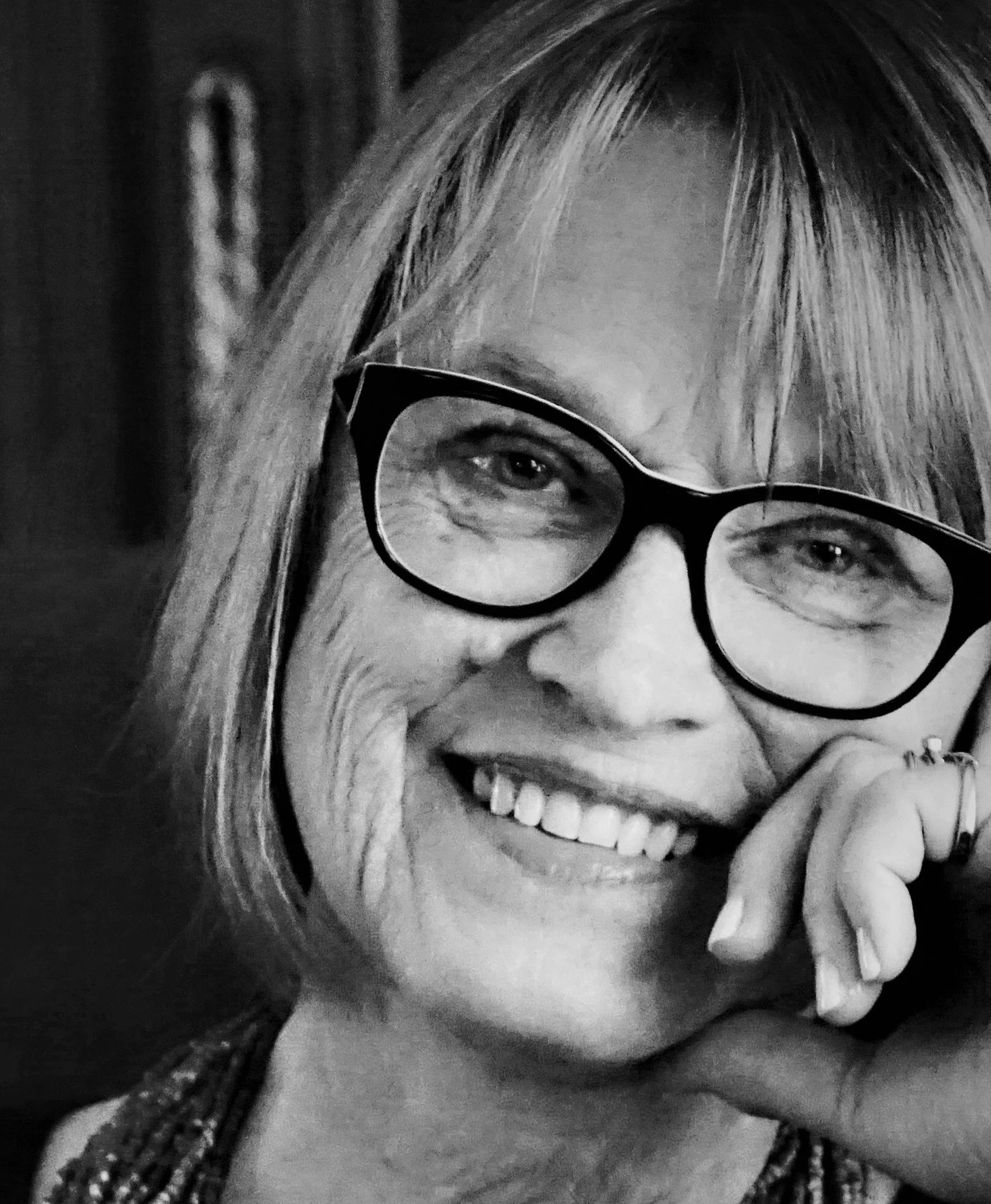
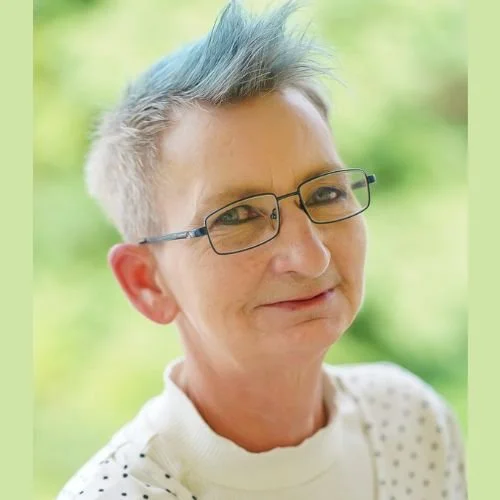
Elle Mott writes creative nonfiction focused on resiliency, empowerment, and advocacy. She is a featured co-author in the new book, When Women Talk Volume 3 (The Connected Woman, 2026). Elle toured with WOW! earlier this year for the historical biography, "Marie Conner, A Leading Lady" (Luminare Press, 2026). She is also the author of "Out of Chaos, A Memoir" (Boyle & Dalton, 2018), and "People Helping People" (2020). Her shorter pieces are widely featured in ezines, literary journals, national news magazines, and regional collections. Elle works at the public library in downtown Cincinnati and dedicates her free time to her passion for writing. She lives in nearby northern Kentucky with two cats and several pet birds.
Website: https://ellemottauthor.com
LinkedIn: https://www.linkedin.com/in/elle-mott-author
Facebook: https://www.facebook.com/ellemott.author
AllAuthor: https://allauthor.com/author/ellemott
Ko-Fi: https://ko-fi.com/ellemott